

Why small, well-timed pushes — not force — build a swing’s biggest arc, and what that quiet physics has to do with wearing a frequency close to you.
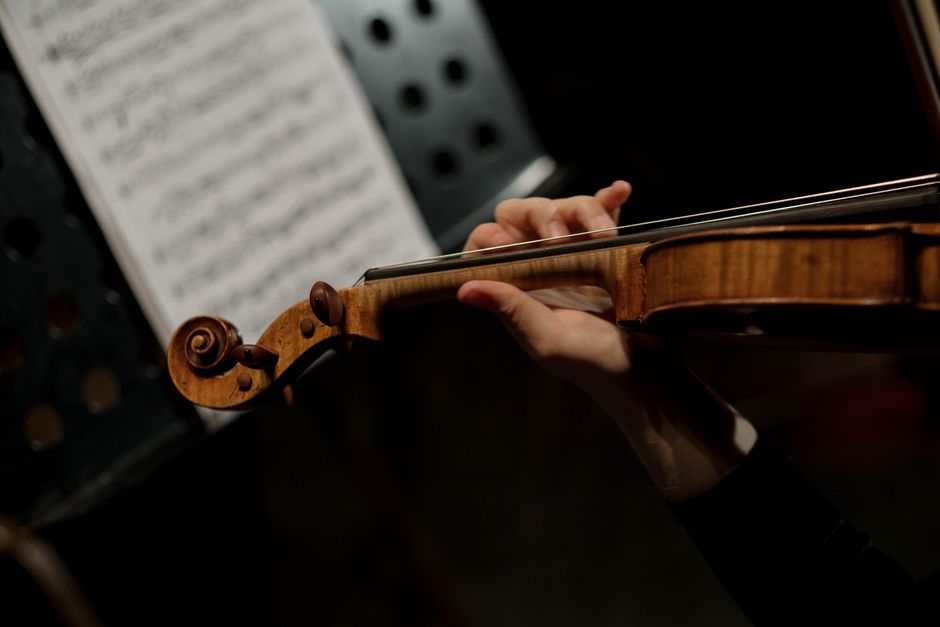
Joseph Sauveur named the science of acoustics in 1701 and mapped harmonics, nodes and beats — the same precision behind every FICS patch.

How swirling wind vortices fed energy into a bridge at just its resonant rhythm — a gentle science story about frequency, told through Tacoma Narrows.
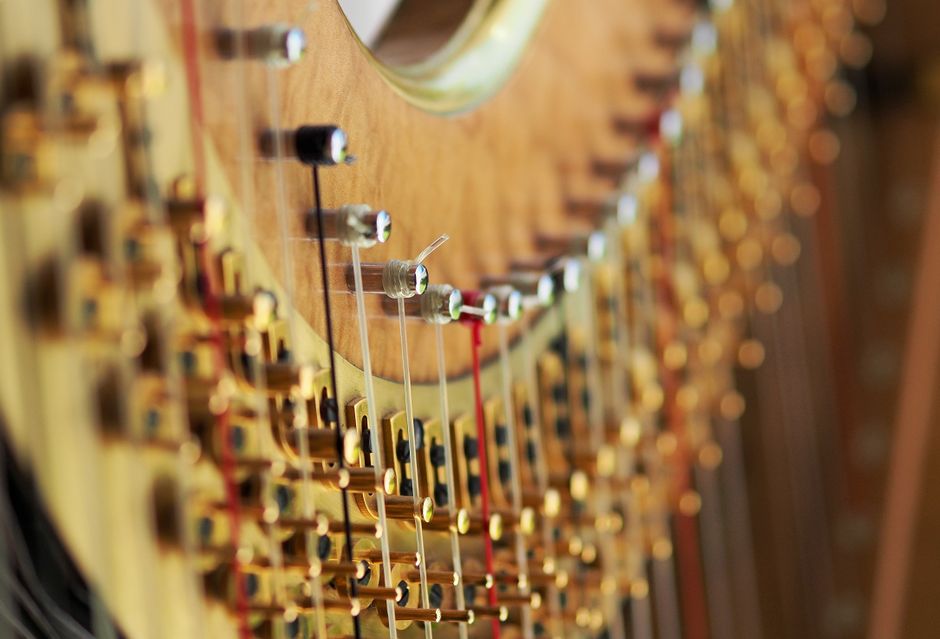
Long before wellness talked about frequency, Pythagoras heard it in a plucked string. An ancient idea about ratio, harmony, and ease.
How matching a glass’s natural frequency drives its rim into wider swings until it breaks — resonance, from Lord Rayleigh to FICS.

How Norwegian physicist Kristian Birkeland chased the aurora to the Arctic and built a tiny lab Earth to trace its hidden currents.
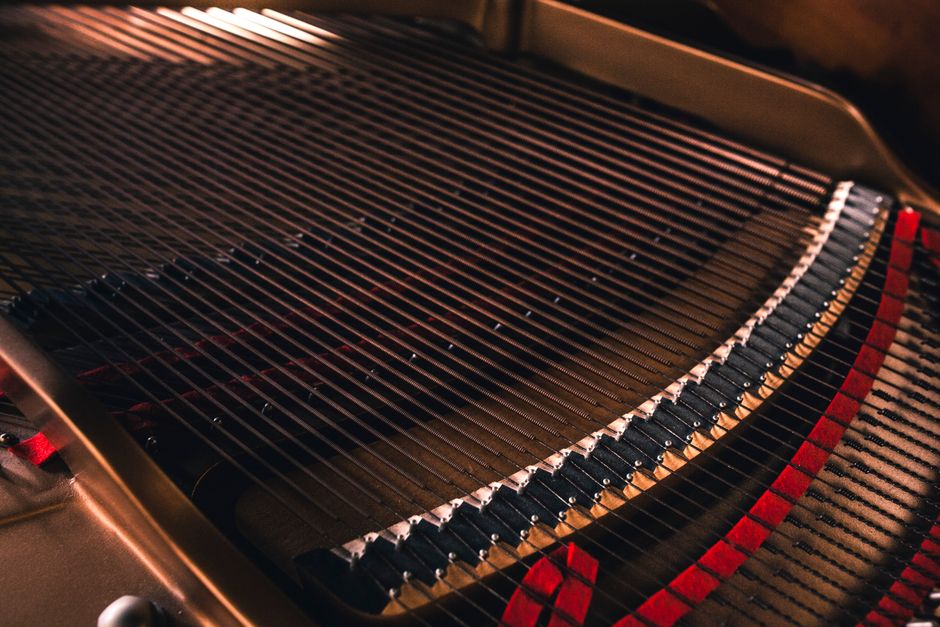
Since Helmholtz’s 1863 study of overtones, science has explained why some notes blend smoothly while others feel rough.
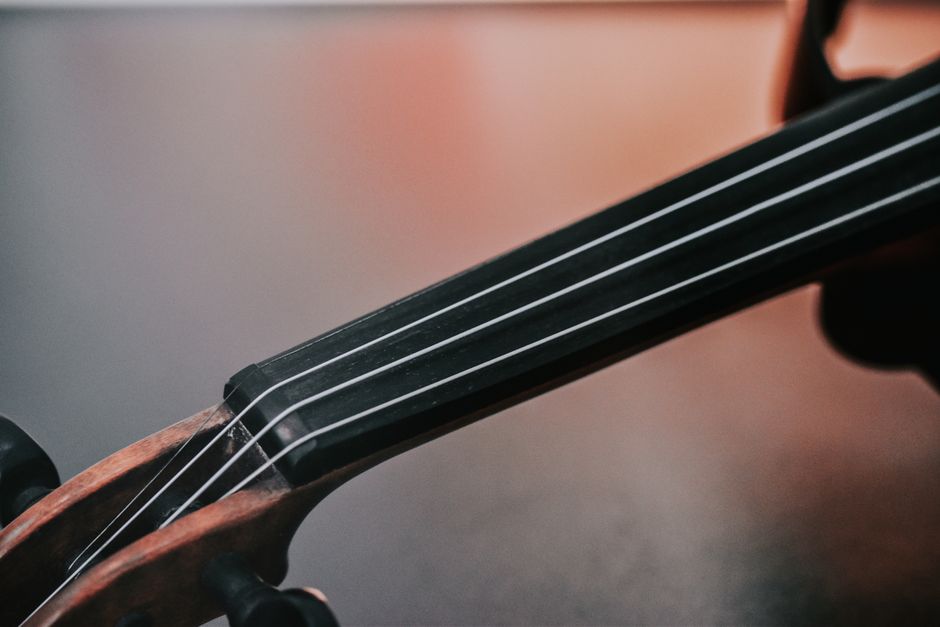
When two close frequencies meet, they don’t just clash — they pulse, hiding a third, ghostly tone inside the throb.

How Heinrich Hertz built the first apparatus to catch invisible waves — and what that has to do with staying tuned to steady energy.

Christiaan Huygens’ two pendulum clocks fell into step in 1665 — the first recorded sighting of entrainment, and a gentle idea worth keeping close.