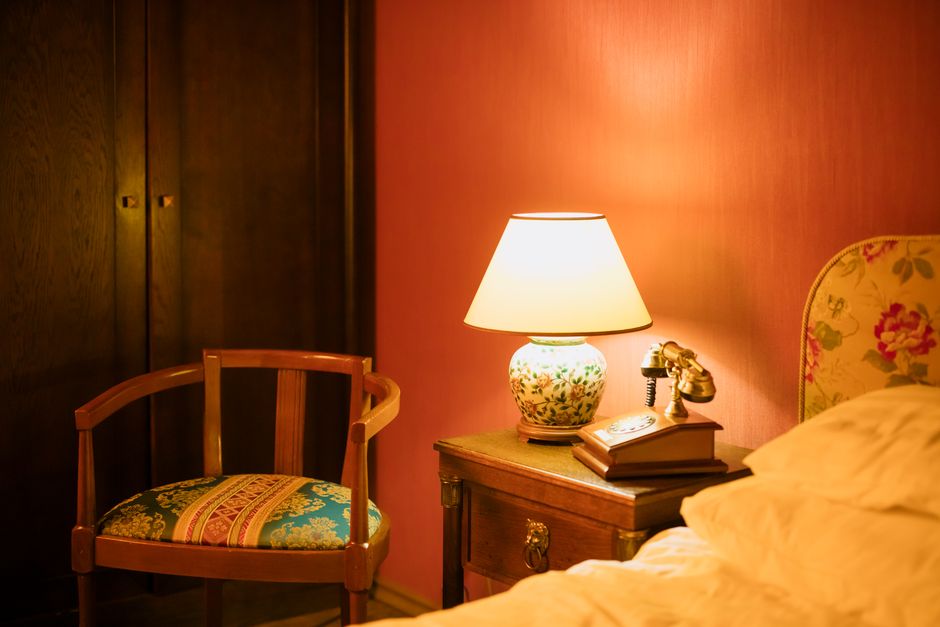
Watch a sunset closely and you’ll notice it never happens all at once. Gold slides into amber, amber into rose, rose into that soft dusk-blue before the stars take over. It’s a transition, not a switch. Most of us don’t grant our evenings the same courtesy. One moment we’re mid-scroll, mid-reply, mid-tab-switch — and the next we’re expected to lie down and drift off, as if the mind can simply be flicked from “on” to “off”. Think about the last time you answered one more message at 11pm and then lay in bed with your thoughts still quietly drafting replies. No wonder it often arrives at the pillow still humming, like a browser with forty tabs left open.
Why a Hard Stop Doesn’t Work
Attention doesn’t like being cut off mid-task — it likes being let down gently. Researcher Gloria Mark, a Chancellor’s Professor of Informatics at UC Irvine who has spent nearly two decades studying how digital habits shape our focus, found in a landmark study that people who were repeatedly interrupted didn’t just lose time reorienting — they reported measurably higher stress, frustration and effort, even when they compensated by working faster. Her broader research suggests our attention has grown used to jumping from context to context all day, and asking it to stop abruptly at 10pm is like asking a sprinter to freeze mid-stride. Picture glancing at a work chat right before switching off the lamp — nothing urgent, yet the mind keeps quietly running the conversation long after the screen has gone dark. The nervous system needs a runway, not a wall.
The Evening’s Quiet Signal
There’s a physical layer to this too. Screens emit a cooler, blue-leaning light that mimics midday sun, and our bodies read that signal literally. As Harvard Health explains, this kind of light is especially effective at telling the brain to hold off on winding down for the night, keeping the body in an alert, daytime-like state well past sunset. It’s the same reason scrolling under the covers with brightness turned up against a dark room can leave you feeling more wired than when you started. Combine that with the mental habit of constant task-switching, and it’s little surprise that evenings can feel less like a soft landing and more like static that won’t quite clear.
Building Your Own Digital Sunset
The good news is that easing off screens doesn’t require an all-or-nothing digital detox — just a gentler slope. Try dimming your devices’ brightness an hour or two before bed the way you’d dim a lamp, rather than switching off abruptly. Close one tab, one app, one notification stream at a time instead of all at once. Move from a bright, high-input activity — messages, feeds, video — toward something slower: a paper book, a warm drink, quiet conversation, stretching in low light. A simple version might look like leaving your phone charging in another room after dinner and swapping your laptop for a notebook and pen. According to the Sleep Foundation, even modest reductions in evening screen exposure can support the body’s natural rhythm toward rest, without needing to give devices up entirely. The aim isn’t perfection; it’s simply giving your attention a runway long enough to actually land.
A Small Companion for the Wind-Down
This is exactly the kind of gentle transition WellWave Asia’s Frequency Infused Crystal Stickers were made to sit alongside. Each FICS patch holds a chosen frequency inside a micro-crystal — small, wearable, and unfussy enough to become part of an evening ritual rather than one more thing demanding your attention. Pressed on as you set your phone aside and dim the lights, it’s a quiet cue that the day’s static is fading and it’s time to let scattered focus settle, the way dusk settles into night — slowly, and on its own gentle terms.
